Join the waitlist to secure early pricing.

Nobody wants to think about what happens if they're not around to raise their kids. Yet many parents with minor children lack a will, which is exactly why estate planning matters more for parents than almost anyone else.
This guide walks you through the key documents, how to choose a guardian, and the strategies that keep your children protected and your wishes honored.
Estate planning for parents centers on four key documents: a last will, revocable living trust, durable power of attorney, and advance healthcare directive. Together, these documents determine who raises your children, who manages your money if you're incapacitated, and how your assets pass to the next generation. Without them, a court makes those decisions for you.
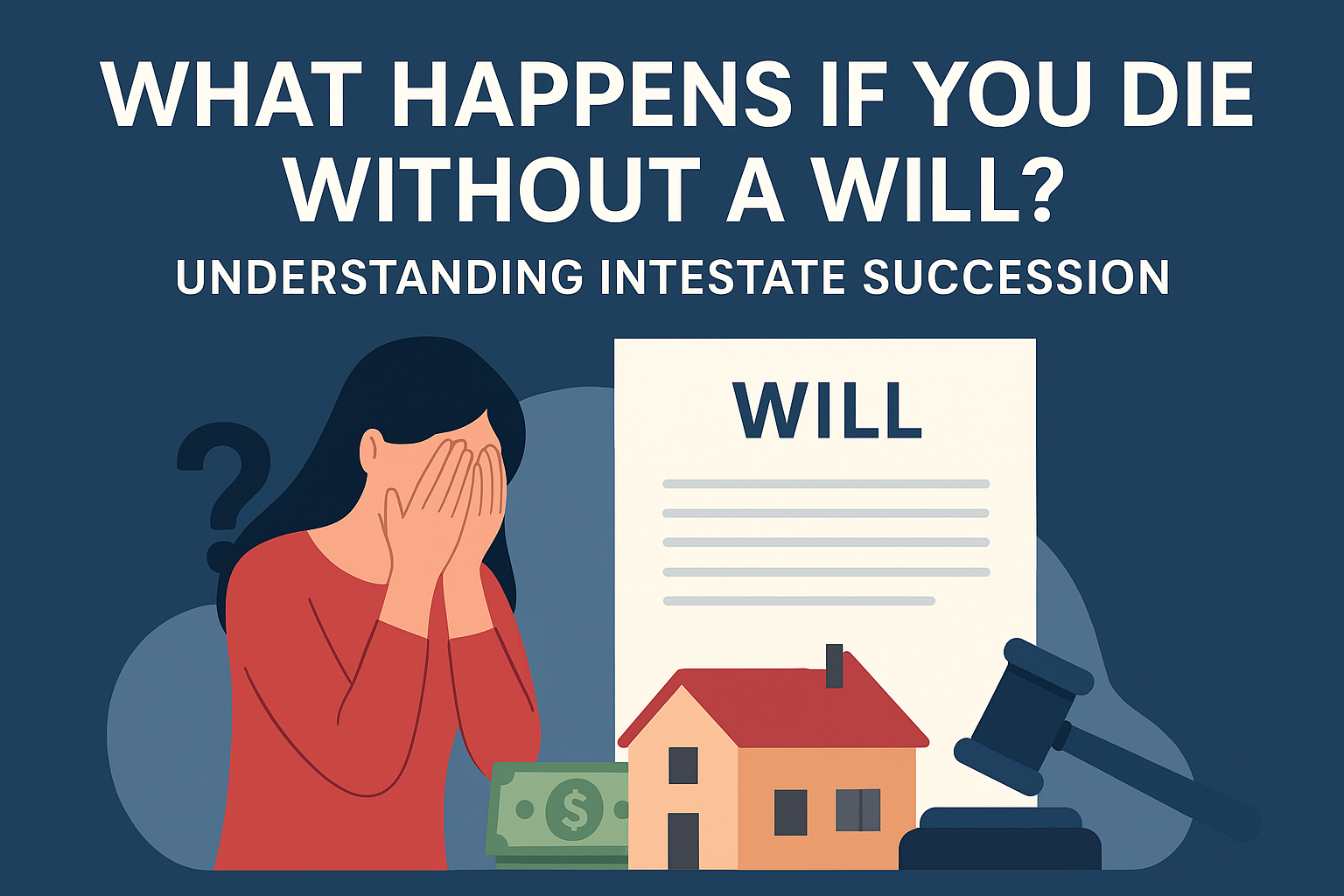
Here's what that looks like in practice. If both parents die without a will (without naming a guardian), a judge reviews the situation and appoints someone to raise the children. That person might be a relative you would have chosen, or it might not be. The court also oversees how your assets are distributed, which adds time, legal fees, and public scrutiny to an already difficult situation.
A complete estate plan puts you in control of three things:
Each document in an estate plan serves a specific purpose. Some address what happens after you pass away, while others cover situations where you're alive but unable to make decisions. Understanding what each one does helps you see how they work together.
A will is the document most people think of first. It names an executor, the person responsible for carrying out your instructions, and specifies how your assets are distributed.
For parents, the will serves another critical function: naming a guardian for minor children. This is the legal mechanism that tells a court who you want raising your kids. Without a named guardian in your will, the court appoints someone based on its own assessment.
A trust is a legal entity that holds assets on behalf of beneficiaries. You transfer ownership of your property into the trust during your lifetime, and when you pass away, those assets go directly to your beneficiaries without going through probate.
For parents, a trust offers something a will cannot provide. You can set conditions on when children receive their inheritance. Instead of handing over a lump sum at age 18, you might distribute funds at 25, 30, and 35. This gives your children time to develop financial maturity before they have full access.
A durable power of attorney appoints someone to handle your financial affairs if you become incapacitated. This person, called your agent, can pay bills, manage bank accounts, file taxes, and make financial decisions on your behalf.
The word "durable" matters here. A standard power of attorney ends if you become incapacitated, which is exactly when you'd need it most. A durable power of attorney remains in effect regardless of your mental or physical state.
A healthcare proxy names someone to make medical decisions for you if you cannot communicate them yourself. This is separate from a financial power of attorney and focuses entirely on your medical care.
The person you choose acts as your voice when you can't speak for yourself. They'll work with doctors, review treatment options, and make decisions based on what they believe you would want.
An advance directive documents your preferences for end-of-life medical care. It addresses specific scenarios, like whether you want life-sustaining treatment if you're terminally ill or permanently unconscious.
This document removes a significant burden from your family. Instead of guessing what you would have wanted during an emotionally charged moment, they have written instructions to follow.
Beneficiary designations on accounts like life insurance policies, 401(k)s, and IRAs determine who receives those specific assets. Here's the part that surprises many people: beneficiary designations override your will.
If your ex-spouse is still listed as the beneficiary on your life insurance policy, they receive the payout. It doesn't matter what your will says. Reviewing and updating beneficiary designations after major life events is one of the most overlooked parts of estate planning.
Naming a guardian is often the most difficult decision in the entire process. It's also the most consequential one for parents with minor children.
A guardian is the person who physically raises your children if you pass away. They handle daily care, make decisions about education and healthcare, and provide the emotional support your children need during a difficult transition.
This role is separate from a trustee, who manages the financial assets you leave behind. You can name the same person for both roles, or you can choose different people based on their strengths. Some parents prefer to separate the roles so that no single person has complete control over both the children and the money.
There's no formula that works for every family, but certain questions help clarify the decision:
Your first choice might not be available when the time comes. They could be dealing with health issues, or their circumstances might have changed in ways you didn't anticipate. Naming at least one alternate guardian ensures your children are still cared for by someone you trust if your primary choice cannot serve.
Having a direct conversation with your potential guardian before finalizing anything makes the process smoother. Explain why you chose them and discuss your hopes for your children's future. This conversation also gives them a chance to ask questions or raise concerns.
It's also worth addressing any hurt feelings with family members who weren't chosen. A brief explanation of your reasoning can prevent misunderstandings later.
For parents with minor children, a trust is the primary tool for protecting your children's financial future. A will alone doesn't give you the same level of control.
Minors cannot legally own significant property. If you leave an inheritance directly to a child in your will, a court appoints a custodian to manage the money until the child turns 18. At that point, the child receives everything in one lump sum.
Most 18-year-olds aren't prepared to manage a large inheritance responsibly. A trust solves this problem by letting you set the terms.
A trust lets you specify exactly when your children receive their inheritance. Many parents set up staged distributions that release funds over time. For example:
This approach protects the inheritance — critical given that 70% of family wealth is lost by the second generation — while giving your children time to develop financial skills and judgment.
If your spouse remarries after your death, a trust can ensure your assets ultimately go to your children rather than to a new spouse or their family. This is particularly relevant in blended families, where inheritance can become complicated without clear documentation.
Probate is the court-supervised process of validating a will and distributing assets. It's often slow — often costing 3–7% of total estate value — and public. Several strategies help families avoid it:
Get started with Herbie to create the trust documents that keep your family's affairs private.
An estate plan isn't something you create once and forget. Life changes, and your documents need to reflect your current situation.
Adding a new child means updating your beneficiary designations and reviewing your guardianship choice. Caring for multiple children is different from caring for one, and your original guardian might not be the right fit anymore.
Both events dramatically impact your estate plan. You'll want to update beneficiaries, revise guardian choices, and review how assets are titled. In many states, divorce doesn't automatically remove an ex-spouse from your documents.
Estate planning laws vary significantly by state. Documents that were valid in one state might not work the same way in another. A review ensures your plan remains effective in your new location.
A new home, inheritance, or business changes your asset picture. Your estate plan needs to reflect your current holdings. With Herbie, you can make unlimited updates at no cost.
Even well-intentioned parents make common estate planning mistakes that can undermine their plan.
Without a named guardian, a court decides who raises your children. This is the most critical mistake a parent can make.
An outdated beneficiary, like an ex-spouse, might still receive assets from your life insurance or retirement accounts, regardless of what your will says.
This results in court intervention and gives children full control at 18. A trust provides the structure to protect their inheritance.
An outdated plan can create more problems than no plan at all. It might not reflect your current wishes or family structure.
Creating an estate plan doesn't have to be complicated or expensive. Modern tools have made the process accessible for every family, and Herbie is free.
Get started with Herbie and create your free complete, state-specific estate plan in minutes.
Clear documentation is the best prevention. A trust with specific, unambiguous instructions leaves little room for argument. Communicating your wishes openly with family members ahead of time also helps manage expectations.
Yes. Self-service platforms like Herbie provide attorney-vetted, state-compliant legal documents. You can create a comprehensive estate plan, including a will and trust, without traditional law firm fees.
A court appoints a guardian based on what the judge believes is in the "best interest of the child." This person might not be who you would have chosen, and the process can be stressful for everyone involved.