Join the waitlist to secure early pricing.

"I'm single. I don't have kids. Why would I need a will?"
It's a common question in estate planning, and one of the most misunderstood. The assumption behind it is that wills are only for married couples dividing assets or parents protecting children.
But here's the reality: you still need an estate plan. Being single doesn't exempt you from the consequences of dying without one. In fact, it often makes those consequences worse.
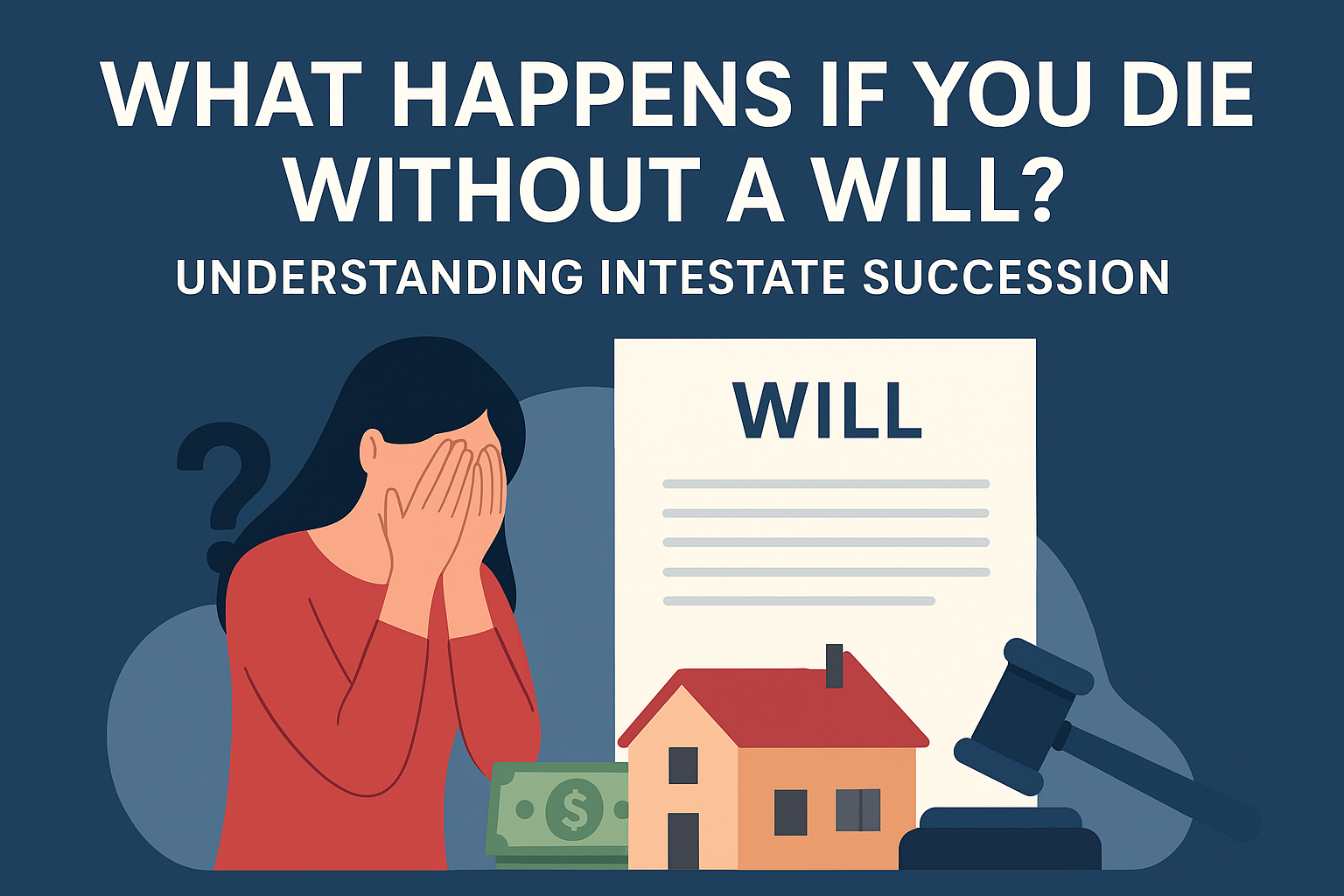
Without a will, the state writes one for you. And the state's version almost never matches what you'd actually want.
When someone dies without a will (called dying "intestate"), every state has default rules for distributing assets. These rules were designed with traditional families in mind, and they create particular problems for single people.
Your parents inherit everything (even if you're not close).
If your parents are gone, siblings inherit.
Your partner gets nothing.
Your friends are invisible.
The intestate system assumes you want your biological family to handle everything. For many single people, that assumption is simply wrong.
Married people have built-in legal protections. Spouses have automatic inheritance rights, can make medical decisions for each other, and are often named as default beneficiaries on accounts and insurance policies.
Single people have none of this. Which means you need to be more deliberate about documenting your wishes.
You choose your "family."
You protect your partner.
You avoid family conflict.
You support what matters to you.
A comprehensive estate plan for a single person includes more than just a will. Here's what you should have:
1. Last Will and Testament
Your will specifies who gets your assets: from bank accounts and investments to personal property like furniture, jewelry, and collectibles. It also names an executor: the person responsible for carrying out your wishes, paying final bills, and distributing everything according to your instructions.
As a single person, you have complete freedom here. Want to leave everything to your best friend? You can. Want to split assets between three siblings and two charities? You can. Want to make sure your estranged parent gets nothing? You can do that too (in most states; a few have exceptions for spouses, but rarely for parents or adult children).
2. Durable Power of Attorney
This document names someone to handle your financial affairs if you become incapacitated. They can pay your bills, manage your investments, and make financial decisions on your behalf.
For single people, this is crucial. Married couples often assume their spouse will step in. But if you're single and suddenly can't manage your own affairs (whether due to an accident, illness, or cognitive decline) who handles things? Without a power of attorney, someone has to petition the court to be appointed as your guardian or conservator. That's expensive, time-consuming, and might result in someone you wouldn't have chosen.
3. Healthcare Proxy / Medical Power of Attorney
This names someone to make medical decisions for you if you can't make them yourself. They can consent to treatments, access your medical records, and communicate with your doctors.
Think carefully about who you choose. This person should know your values about medical care, be willing to advocate for you, and be emotionally capable of making difficult decisions. For many single people, a close friend or sibling is a better choice than an aging parent who might struggle with the responsibility.
4. Living Will / Advance Directive
This documents your preferences for end-of-life care. Do you want to be kept on life support if there's no reasonable chance of recovery? What are your feelings about feeding tubes, resuscitation, and pain management?
A living will takes the burden off your healthcare proxy by giving them clear guidance about what you'd want. It also prevents family conflict. When your wishes are documented, there's less room for disagreement.
5. HIPAA Authorization
This allows specific people to access your medical information. Without it, healthcare providers can't legally share details about your condition with anyone, even the person you've named as your healthcare proxy.
"I don't have much. It doesn't matter."
It matters more than you think. "Not much" to you might still be significant to others. And more importantly, even modest estates create problems without a will. Your family will have to go through probate, deal with courts, and potentially wait months to access even a small bank account. A will simplifies everything.
"My family will figure it out."
Maybe. Or maybe they'll fight. Inheritance disputes are common, especially when there's no will to provide clarity. Even loving families can turn hostile when money and possessions are at stake. When there are no clear instructions, everyone thinks they know what you "would have wanted."
"It's too expensive."
It doesn't have to be. Traditional attorneys charge hundreds or thousands of dollars, but online platforms have made estate planning accessible at a fraction of the cost. Make a great estate plan with Herbie at no cost at all.
"It's too complicated."
Modern estate planning tools are designed for real people, not lawyers. They walk you through simple questions: who do you want to inherit your stuff, who should make decisions if you can't, what are your healthcare preferences; and they generate legally valid documents from your answers. Most people finish in under an hour.
Ready to stop putting this off? Here's a simple action plan:
Step 1: Make a list. Write down your assets (bank accounts, investments, property, vehicles, valuable items) and the people or causes you want to benefit. Think about who you'd trust to make financial and medical decisions for you.
Step 2: Create your documents. Use Herbie’s guided process to create a will and other essential documents. Their free platform offers an amazing ability to make a complete estate plan.
Step 3: Sign properly. Follow your state's requirements for making your will legally valid (usually signing in front of two witnesses who aren't beneficiaries). Powers of attorney and healthcare directives may need notarization.
Step 4: Store safely and share. Keep your original documents somewhere safe (a fireproof box, safe deposit box, or with your attorney) and let your executor and healthcare proxy know where to find them. Consider giving copies to the people named in your documents.
Step 5: Review periodically. Life changes. Update your documents when circumstances shift: new relationships, falling out with someone you've named, moving to a new state, acquiring significant assets. This is all possible with Herbie.
Being single doesn't mean being alone. It means you've built a life on your own terms, with relationships and values that matter deeply to you.
Estate planning is how you protect all of that. It's how you ensure your partner isn't left with nothing. It's how you take care of the friend who's always been there. It's how you support causes you believe in. It's how you make sure the people you'd never choose don't end up making decisions for you.
Take 30 minutes today. Sign up with Herbie, answer a few questions, and get this done. Your future self - and everyone who matters to you - will thank you.
Start your free will today here. No spouse or kids required, just the desire to protect the people and things you care about.