Join the waitlist to secure early pricing.

Most people know they need an estate plan. Fewer know whether that means a will, a trust, or both.
The short answer: a will tells the court who gets your stuff after you die, while a trust holds your assets during your lifetime and transfers them directly to your beneficiaries without court involvement. This guide breaks down how each one works, the pros and cons of both, and how to figure out which combination fits your situation.
A will is a legal document that tells the court who gets your assets after you die. A revocable living trust, by contrast, holds your assets during your lifetime and transfers them directly to your beneficiaries when you die, skipping court entirely. Both accomplish the same end goal, but the path each takes looks completely different.
Five differences matter most: timing, probate, control, cost, and guardianship. Wills only kick in after death and require probate, which is the court process that validates your will and oversees asset distribution. Trusts start working the moment you fund them and avoid probate altogether. Trusts also stay private, while wills become public record once filed.
One thing a trust cannot do? Name a guardian for your minor children. Only a will handles that.
| Feature | Will | Revocable Living Trust |
|---|---|---|
| When it takes effect | Only at death | Immediately upon creation |
| Probate required? | Yes | No, for assets in the trust |
| Privacy | Becomes public record | Remains private |
| Control over distributions | Limited; assets distributed outright | High; can set conditions |
| Can name guardians? | Yes | No |
| Upfront cost | Lower | Higher |
A will is your written set of instructions for after you're gone. It tells the court who inherits your property, who handles your affairs, and who raises your kids if you have any.
Probate is the biggest limitation. The court process can stretch for months, sometimes longerProbate is the biggest limitation. The court process can stretch for 6 to 12 months, and it costs money in fees. Your family waits while the court works through the process.
A will also does nothing while you're alive. If you become incapacitated due to illness or injury, a will provides no authority for anyone to step in and manage your finances. That gap catches many people off guard.
A revocable living trust is a legal container that holds your assets. You create it, transfer property into it, and maintain full control while you're alive. When you die, everything inside passes directly to your beneficiaries without court involvement.
The term "revocable" means you can change or cancel the trust whenever you want. Nothing is locked in.
Three roles make a trust function. The grantor is you, the person who creates the trust. The trustee is also you, at least while you're alive and able. The beneficiaries are the people who eventually receive the assets.
You also name a successor trustee who steps in if you become incapacitated or pass away. This person manages the trust and distributes assets according to your instructions.
Here's the part people often miss: a trust only works if you actually fund it. Funding means retitling assets, like your home or bank accounts, into the name of the trust. An unfunded trust is just paperwork sitting in a drawer.
Wills are simpler and less expensive to create than trusts. For straightforward estates, a will might cover everything you need.
The bigger point: a will is the only legal tool for naming guardians for your children. If you have kids under 18, you want a will regardless of what else you do.
Probate is the main downside. The process takes time, costs moneyProbate is the main downside. The process takes time, costs 3% to 7% of estate value, and makes your family's inheritance public. Your loved ones may wait months before receiving anything.
A will also offers no help during your lifetime. If you become unable to manage your finances, a will provides no guidance or authority for anyone to step in on your behalf.
Trusts skip probate for any assets held inside. That means faster transfers, lower costs, and privacy for your beneficiaries.60–80% lower costs, and privacy for your beneficiaries.
A trust also works during incapacity. If you can't manage your own affairs, your successor trustee steps in immediately without court involvement.
You also get more control over distributions. You can set conditions on when and how beneficiaries receive their inheritance, like distributing funds at certain ages or for specific purposes like education.
Trusts cost more upfront because they're more complex documents. You also have to actively fund the trust by retitling your assets, which takes effort and follow-through.
And again: a trust cannot name guardians for your children. You still want a will for that.
If you have kids under 18, a will is essential. It's the only place you can legally name who raises them if something happens to you.
If you rent rather than own, have modest assets, and want a straightforward plan, a will may cover everything you need without the added complexity of a trust.
A will formally appoints the person you trust to handle your estate, pay your debts, and distribute your assets through probate. Without a will, the court appoints someone for you.
Real estate often triggers probate. Placing your home in a trust ensures it passes directly to your beneficiaries without court delays or costs.
Trusts stay private. Wills become public record once filed with the court. If you'd rather keep your estate details confidential, a trust is the better fit.
A trust lets your successor trustee manage your finances if you become unable to do so yourself. A will offers no protection here because it only activates after death.
Many people use both. A will and a trust are not mutually exclusive. They complement each other.
A pour-over will acts as a safety net for your trust. It "catches" any assets you forgot to transfer during your lifetime and "pours" them into the trust at death.
Those assets still go through probate, but they end up distributed according to your trust's terms rather than state law. Think of it as a backup plan for anything that slipped through the cracks.
For very simple estates with no real estate, modest assets, and a primary concern of naming guardians, a will alone may be sufficient. Herbie helps you figure out what you actually need based on your situation.
Wills typically cost less because they're simpler documents. Trusts require more complex drafting plus the additional work of funding, which drives up attorney fees.
Digital platforms have changed the equation. Herbie offers high-quality estate planning at no cost, making both wills and trusts accessible without traditional attorney fees.
Start by listing your family members, assets like property and accounts, intended beneficiaries, and the people you want filling key roles.
For a will, you name an executor to manage probate. For a trust, you name a trustee and successor trustee to manage and distribute assets. For either document, you can name guardians for minor children, though only the will makes that designation legally binding.
You have options: hire an attorney, use an online platform, or attempt a DIY kit. An AI-guided platform like Herbie walks you through the entire process so you don't miss anything.
Signing requirements vary by state but typically involve witnesses and a notary. Once signed, store your documents somewhere secure and accessible to your executor or trustee.
Certain assets pass to heirs through other mechanisms, not your trust.
Coordinating beneficiary designations with your overall estate plan matters. Outdated designations can override what's in your will or trust.
The right choice depends on your situation.
Not sure which fits your situation? Herbie helps you figure it out.
Neither is more "powerful." They serve different purposes. A will names guardians and directs assets through probate. A trust avoids probate and offers more control over how and when assets are distributed.
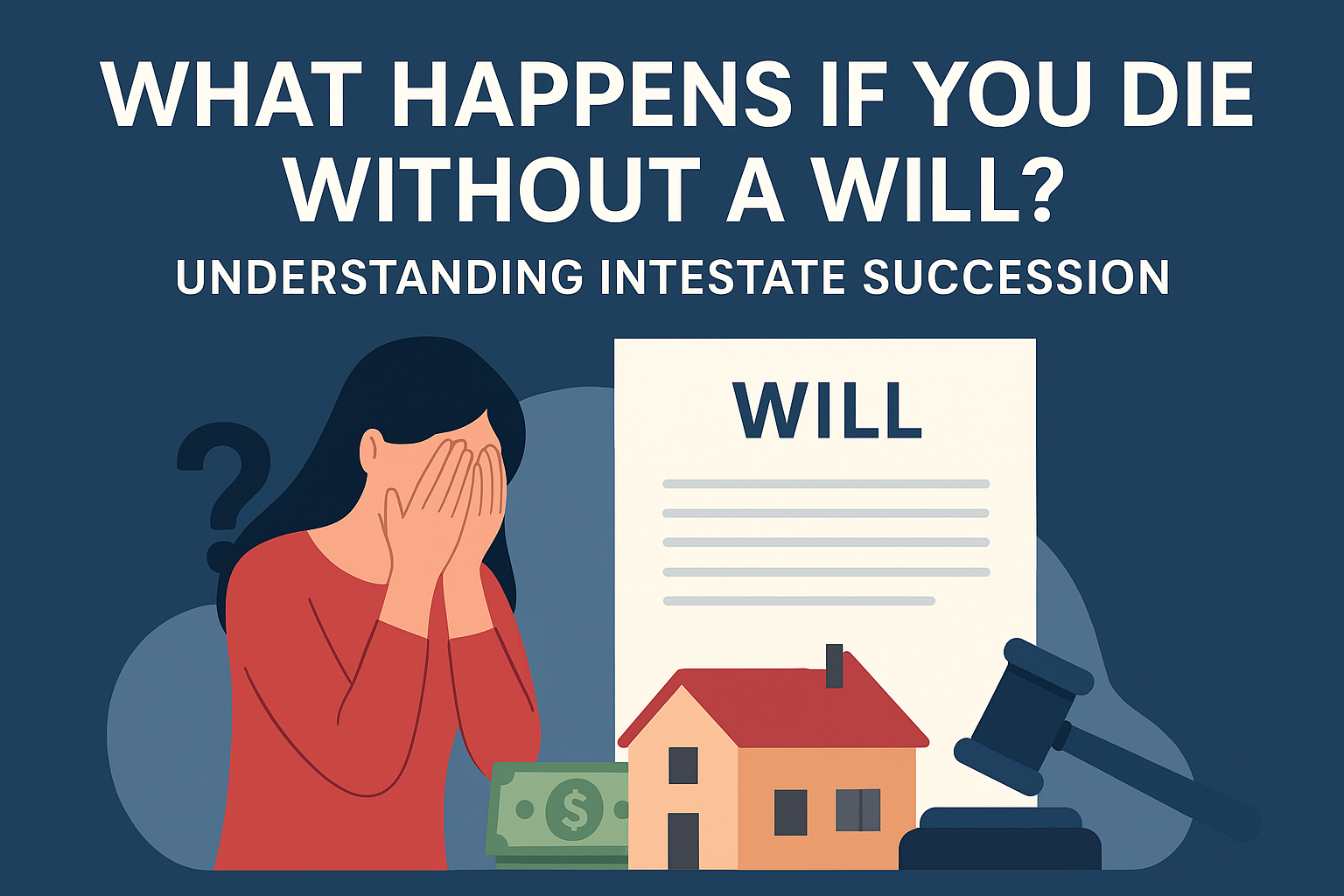
Your state's intestacy laws decide who gets your assets, which may not match your wishes. The court also appoints an administrator for your estate and, if needed, a guardian for your children.
Yes. A revocable trust can be amended, updated, or completely revoked at any time while you're alive and mentally competent. That flexibility is what "revocable" means.
Review your estate plan every three to five years or after major life events like marriage, divorce, a new child, buying a home, or moving to a new state. Herbie makes updates easy with unlimited revisions.
A standard revocable living trust generally does not protect assets from your own creditors while you're alive. Certain irrevocable trusts may offer creditor protection, but that requires giving up control of the assets.
Completely different documents. A living will is a healthcare directive stating your wishes for medical treatment if you become incapacitated. A living trust is a financial document that holds and distributes your assets.